
What Is a Hydrovac Truck? Definition, Components & Uses
By Nick Zimmerman, certified diesel mechanic with 25+ years on hydrovac and vacuum trucks
Quick Answer: A hydrovac truck is a specialized excavation vehicle that uses high-pressure water (2,000-3,000 PSI) to break up soil and a powerful vacuum system (3,000-6,000 CFM) to remove debris. It's the safest method for digging near buried utilities because water and suction can't damage underground pipes and cables like metal buckets can.
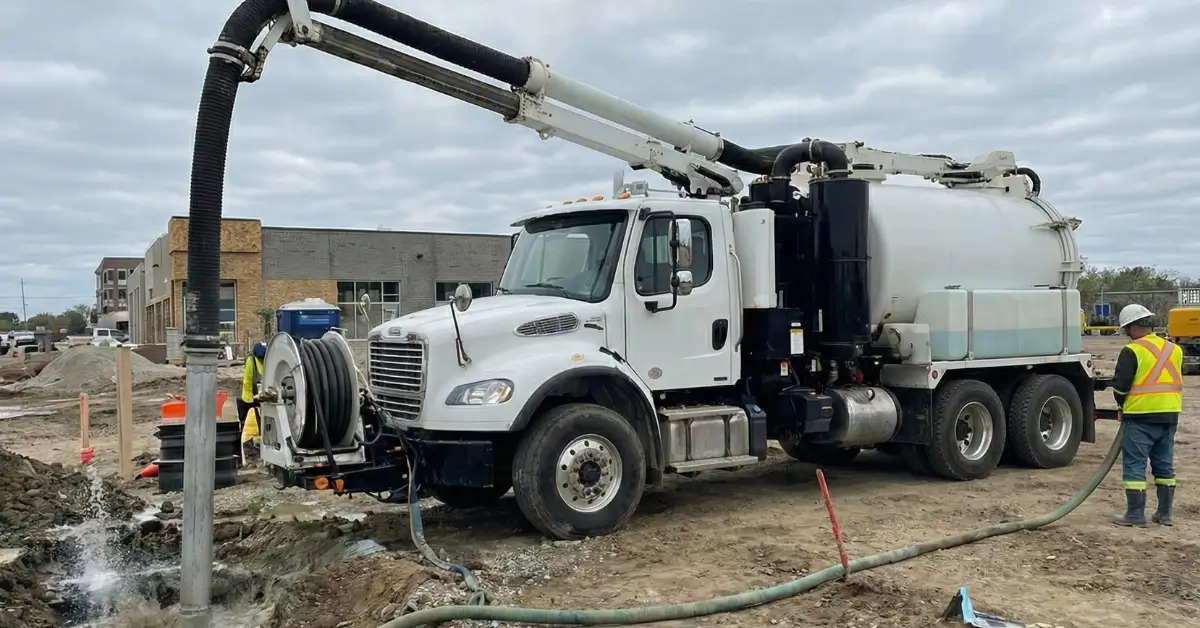
What Is a Hydrovac Truck?
A hydrovac truck is a vehicle that digs holes using pressurized water and vacuum suction instead of metal shovels or buckets.
This matters because the ground beneath our streets is packed with gas lines, water mains, electric cables, and fiber optic wires. A backhoe can't feel what it's about to hit. One wrong swing can cause an explosion, flood a neighborhood, or knock out power to thousands of homes.
Hydrovac trucks solve this problem. Water breaks up soil without damaging pipes. Vacuum suction removes the dirt. What's left is a clean hole with buried utilities safely exposed.
What Does Hydrovac Mean?
Hydrovac combines two words: "hydro" (water) and "vac" (vacuum). The name describes exactly what the machine does — it uses water and vacuum power to excavate.
The process is also called hydro excavation, vacuum excavation, or soft digging. All these terms describe the same basic method: using water pressure and suction to remove soil safely.
Other Names for Hydrovac Trucks
People in different industries use different terms for the same equipment:
- Hydrovac truck — The most common name. Used across all industries.
- Hydro excavator — Emphasizes the excavation function. Common in construction.
- Vacuum excavator — Focuses on the suction system. Some vacuum excavators use compressed air instead of water, but most use water.
- Vac truck — Shortened slang used on job sites.
- Sucker truck — Informal term some workers use.
- Potholing truck — Named after one of its most common uses: digging test holes to find utilities.
When someone mentions any of these terms, they're talking about the same type of equipment. This guide uses "hydrovac truck" because it's the most widely recognized.
Why Do Hydrovac Trucks Exist?
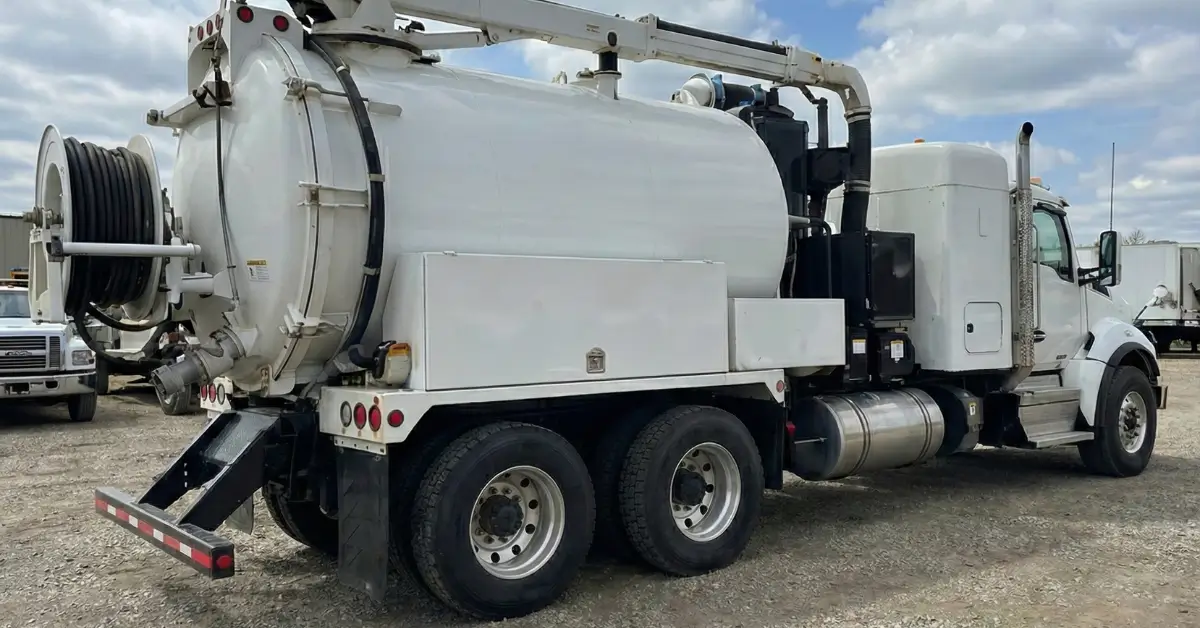
Hydrovac trucks exist because traditional digging methods destroy underground utilities.
Backhoes and excavators are fast and powerful. They're perfect for digging foundations or trenches in open land. But they have a critical flaw: the bucket can't feel what it's about to hit.
The Problem Underground
Modern cities have layers of buried infrastructure. Under a typical street, you might find:
- Natural gas pipelines
- Electric power cables
- Water mains
- Sewer lines
- Stormwater drains
- Telephone wires
- Fiber optic cables
- Cable television lines
Some of these utilities are decades old. Others were installed recently. They cross over and under each other at different depths. Maps and records don't always show exact locations.
What Happens When Utilities Get Hit
A backhoe striking a gas line can cause an explosion. People die from excavation-related gas explosions every year in the United States. Excavation damage is the leading cause of pipeline incidents nationwide.
Hitting a water main floods the work site and surrounding area. Service gets cut off to homes, businesses, and sometimes hospitals. Repairs take hours or days.
Severing a fiber optic cable can disable internet and phone service for entire neighborhoods. Businesses lose money. Emergency services get disrupted.
Even "minor" utility strikes cost thousands of dollars in repairs, fines, and project delays.
The 811 System
Every state requires contractors to call 811 before digging. Utility companies then send crews to mark approximate locations of buried lines. Those colored flags and paint marks you see before construction projects come from this process.
But 811 markings show general locations, not exact positions. Records may be outdated or inaccurate. The only way to know exactly where a utility sits is to carefully expose it without causing damage.
How Hydrovac Solves This
Water spray cannot damage a steel gas pipe or PVC water main. The pressurized stream breaks apart dirt and clay while leaving utilities untouched.
Vacuum suction lifts debris away without scraping or hitting anything. A skilled operator can expose a buried pipe without ever making contact with it.
This is why hydrovac has become the standard method for digging near underground infrastructure. It's the only way to guarantee safety when you don't know exactly what's below.
For a detailed comparison with traditional methods, see hydrovac vs traditional excavation.
Who Uses Hydrovac Trucks?
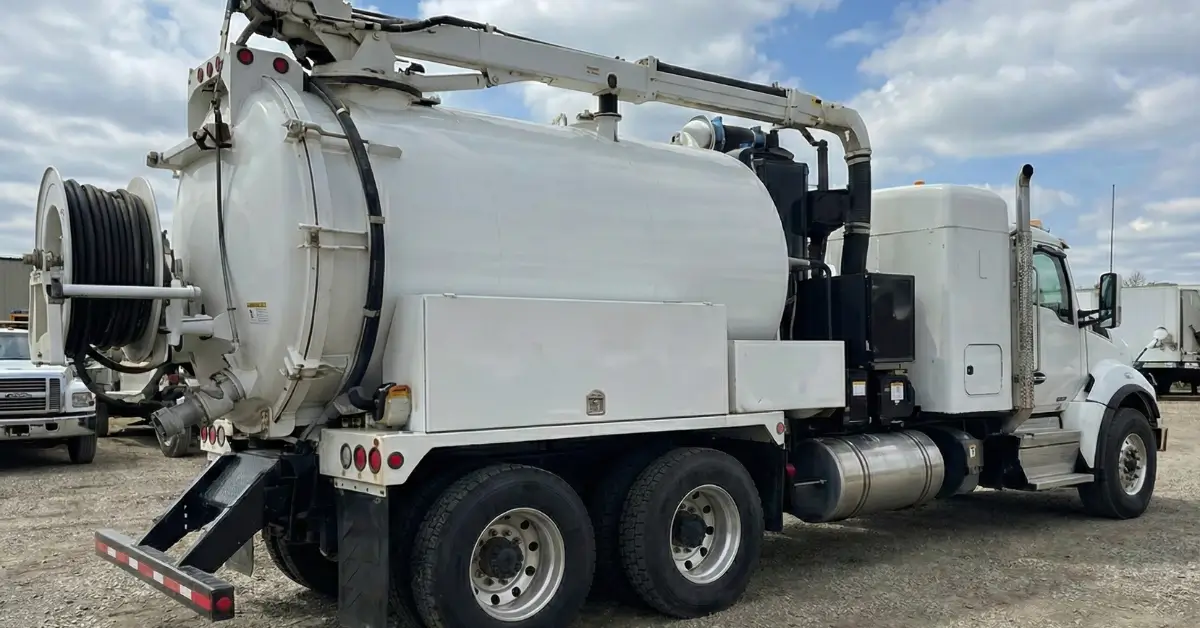
Utility companies, construction contractors, municipalities, pipeline operators, environmental crews, and plumbers all use hydrovac trucks.
Anyone who needs to dig safely near buried infrastructure benefits from this equipment.
Utility Companies
Gas, electric, water, and telecom providers use hydrovac trucks daily. They need to access buried lines for repairs, upgrades, and new installations. Hydrovac lets them work on one utility without damaging others nearby.
Construction Contractors
General contractors use hydrovac before breaking ground on new projects. They verify utility locations before foundations get poured or new lines get installed. Many project specifications now require hydrovac excavation near existing utilities.
Municipalities and Public Works
City and county public works departments maintain water systems, sewer networks, and stormwater infrastructure. Hydrovac trucks help them make repairs, perform inspections, and clear catch basins safely.
Oil and Gas Companies
Pipeline operators perform "integrity digs" to inspect buried pipelines. They must expose the pipe without causing damage. Hydrovac is the only practical method for this work.
Environmental Cleanup Crews
Contaminated soil removal often requires precision. Hydrovac contains hazardous material in a sealed tank during excavation. This prevents spreading contamination during the removal process.
Plumbers and HVAC Contractors
Finding a buried water line or sewer lateral is faster with hydrovac than with a shovel. HVAC contractors use the same method for underground refrigerant lines and geothermal systems.
For a complete breakdown of applications, see hydrovac truck uses and applications.
How Does a Hydrovac Truck Work?
A hydrovac truck works by spraying pressurized water to break up soil, then vacuuming the resulting slurry into an onboard debris tank.
The process uses two systems working together: a water system and a vacuum system.
Step 1: Water Breaks Up Soil
The operator holds a wand connected to a high-pressure water pump. This wand sprays water at 2,000 to 3,000 PSI. A typical garden hose produces about 40 PSI — hydrovac systems deliver roughly 50 to 75 times more pressure.
The pressurized stream cuts into the ground and turns solid soil into wet slurry. The operator controls exactly where the water hits, cutting only where needed.
Step 2: Vacuum Removes Debris
A large hose connected to a powerful blower creates suction. This hose hovers near the dig area while the operator works.
The vacuum pulls the wet soil mixture up through the hose and into the debris tank. The suction power comes from a positive displacement blower that can move thousands of cubic feet of air per minute.
Step 3: Debris Gets Stored
The slurry travels into a tank mounted on the truck. These debris tanks hold between 6 and 15 cubic yards of material, depending on the truck size.
When the tank fills, the truck drives to an approved disposal site and dumps the load. Then it returns to continue working.
The Result
A clean excavation remains with utilities exposed and undamaged. Workers can see exactly what's buried. They can make repairs, install new lines, or confirm locations before bringing in other equipment.
For complete details on each system, see how hydrovac trucks work.
What Are the Benefits of Hydrovac Excavation?
The main benefits are safety, precision, speed, minimal surface damage, access to tight spaces, and all-weather capability.
Safety
Water and vacuum cannot damage properly installed utilities. Gas lines, water mains, and fiber optic cables stay intact. Workers face less risk of explosions, electrocution, or other utility-strike injuries.
Precision
Operators dig exactly where needed — and only where needed. A hydrovac can create a hole just 12 inches wide if that's all the job requires. There's no collateral damage to surrounding areas.
Speed
Hydrovac excavates faster than hand digging. A hole that takes workers hours with shovels takes minutes with hydrovac. The comparison with traditional excavation methods shows significant time savings on most jobs.
Minimal Surface Damage
Smaller holes mean less restoration work afterward. Landscaping, pavement, and concrete suffer less disruption. Property owners appreciate the reduced impact on their land.
Access to Tight Spaces
The vacuum hose reaches places that backhoes cannot. Operators can excavate in narrow rights-of-way, between buildings, near trees, and in congested urban areas.
All-Weather Capability
Hydrovac trucks with heated water systems work in frozen ground. Hot water melts frost and ice while cutting through frozen soil. This makes winter excavation possible when other methods fail.
What Are Hydrovac Trucks Used For?
Hydrovac trucks are used for potholing, utility installation, slot trenching, pipeline inspection, environmental cleanup, and debris removal.
Potholing and Daylighting
Potholing means digging small test holes to find and expose buried utilities. The term "daylighting" describes bringing underground lines "to daylight" so workers can see them. This is the most common hydrovac application.
Utility Installation
New cables, pipes, and conduits require excavation near existing infrastructure. Hydrovac creates trenches and holes without damaging what's already in the ground.
Slot Trenching
Long, narrow trenches for cables or pipes are called slot trenches. Hydrovac cuts these precisely with minimal surface disruption.
Pipeline Inspection
Oil and gas companies expose buried pipelines to check their condition. These integrity digs require safe excavation methods to avoid damaging the pipe being inspected.
Cold Weather Digging
Frozen ground stops most excavation methods. Hydrovac trucks with water heaters cut through frost and frozen soil when temperatures drop below freezing.
Debris Removal
The vacuum system removes more than just excavated soil. Hydrovac trucks clean catch basins, clear storm drains, and remove industrial debris.
For the complete list of applications, see hydrovac truck uses and applications. If you're considering purchasing or renting, our costs guide and sizing guide help you make the right choice.
What Types of Hydrovac Trucks Are Available?
Hydrovac trucks come in multiple sizes, from compact units on small chassis to full-size trucks with massive debris tanks.
Truck-Mounted Units
Most hydrovac systems mount on semi-truck chassis. These large units carry debris tanks holding 10 to 15 cubic yards. Water tanks hold 1,000 to 1,500 gallons. They're built for heavy commercial work and long operating hours.
Mid-Size Units
Medium-duty trucks carry smaller systems suited for tighter job sites. Debris tanks hold 6 to 10 cubic yards. These units offer better maneuverability in residential and urban areas.
Trailer-Mounted Units
Some hydrovac systems mount on trailers towed by pickup trucks or other vehicles. These portable units work well for smaller contractors and occasional use.
Major Manufacturers
The main hydrovac truck manufacturers include:
- Vactor — One of the largest and most recognized brands
- Vacall — Known for versatile vacuum equipment
- GapVax — Manufacturer of industrial vacuum trucks
- Tornado Global Hydrovacs — Specializes in hydrovac equipment
- Westech Vac Systems — Canadian manufacturer with U.S. presence
- Super Products — Makes vacuum trucks and hydro excavators
- Kaiser Premier — Known for cold-weather hydrovac units
- Ditch Witch — Offers compact vacuum excavation equipment
Each manufacturer offers different tank sizes, pump configurations, and features. Fleet operators choose based on typical job requirements and regional conditions.
For details on individual components, see hydrovac truck parts and components. Different manufacturers offer varying configurations and price points.
How Much Does a Hydrovac Truck Cost?
New hydrovac trucks cost between $200,000 and $600,000 depending on size, features, and manufacturer.
A basic mid-size unit starts around $200,000. Full-size trucks with large tanks, heated water systems, and advanced features reach $500,000 or more. Custom configurations for specialized applications push prices even higher.
Used hydrovac trucks sell for $75,000 to $300,000 depending on age, condition, and hours of operation.
Operating costs include fuel, maintenance, water, and debris disposal fees. A full-size hydrovac truck burns 15 to 25 gallons of diesel per hour during active excavation.
Hourly Rates for Hydrovac Services
Contractors who hire hydrovac services typically pay $200 to $400 per hour. Emergency and after-hours rates run higher. The rate depends on location, job complexity, and equipment size required.
How Do You Maintain a Hydrovac Truck?
Hydrovac trucks require regular maintenance on the engine, water system, vacuum system, hydraulics, and debris tank.
The diesel engine needs oil changes, filter replacements, and cooling system service like any heavy truck. But hydrovac trucks also have specialized equipment that demands attention.
Water pumps and high-pressure hoses wear from constant use. Vacuum blowers require bearing inspections and belt replacements. Hydraulic systems that power the boom need fluid changes and seal checks. Debris tanks wear out gaskets and door seals.
Neglecting maintenance leads to breakdowns that stop jobs and cost money. Preventive service programs catch problems before they strand equipment on a job site.
For hydro excavation truck repair and vacuum truck repair services, certified technicians with specialized experience keep these complex machines running.
A hydrovac truck is the safest, most precise way to dig near underground utilities.
Water and vacuum excavation protects buried gas lines, water mains, electric cables, and fiber optics from damage. It protects workers from utility strike injuries. It protects contractors from costly repairs, fines, and project delays.
The technology has become standard practice for utility work across North America. Construction specifications increasingly require hydrovac methods near existing infrastructure. Insurance companies and project owners recognize it as the responsible approach.
But this equipment only works when properly maintained. A hydrovac truck combines a heavy-duty diesel engine with high-pressure water systems, powerful vacuum blowers, complex hydraulics, and specialized tanks. Every system must function correctly for safe, efficient operation.
When your hydrovac needs service, call a technician who understands both diesel mechanics and vacuum excavation systems. That combination of expertise keeps your equipment productive and your projects on schedule.
Related Topics
How Hydrovac Trucks Work: The Complete Process Explained
Step-by-step explanation of how hydrovac trucks use water pressure and vacuum suction to safely excavate soil without damaging underground utilities.
Hydrovac vs Traditional Excavation: Which Method Is Better?
Compare hydrovac excavation to backhoes and hand digging. Learn why hydro excavation is safer, faster, and more precise for utility work.